
 By OkayGoal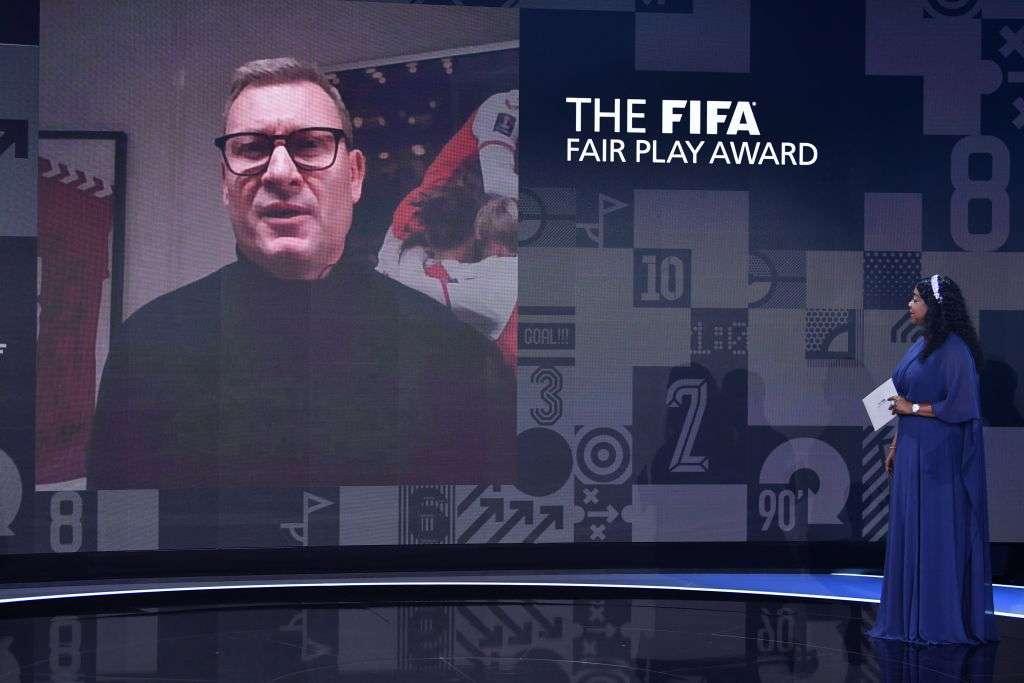
Due to a mix of skill, emotion, and luck, a team can be playing well in a World Cup knockout match and still be losing. This is often when frustrations take over, and every close call in the final stages can become a confrontation. The FIFA World Cup can also reignite famous old rivalries between countries, like Brazil against Argentina and Germany against the Netherlands, causing tense situations where emotions may run high.
But there will also be teams that take things in their stride, maintaining calm heads even when a match is slipping away, and not being triggered by the “dark arts” of an opposing team. The FIFA Fair Play Trophy exists for that second kind of team, as it looks beyond results and performances, and instead asks how a country has carried itself from a disciplinary perspective.
The 2026 World Cup should make this award even more interesting as it has been expanded to a record 48 participating nations. More teams mean more matches, and more matches mean a longer test of temperament.
A Tradition Spanning Over Five Decades
The FIFA Fair Play Trophy was first awarded back at the 1970 World Cup in Mexico. While a Pelé-inspired Brazil won the title that year, the Fair Play Trophy went to debutants Peru. As newcomers to the World Cup, Peru reached the quarterfinals and stood out for their excellent sportsmanship throughout the competition.
That first award came from a very different era of World Cup coverage and long before the internet helped bring things like match previews, history, and analysis to the fingertips of fans. Content surrounding the world’s biggest soccer event is tracked in great detail in the modern era. For example, at places like Legal Bet UK match pages sit alongside fixtures, team information, stadium details, and betting odds.
What Is the FIFA Fair Play Trophy?
At every World Cup, soccer’s governing body FIFA, through the Technical Study Group, hands out multiple awards, from the Player of the Tournament to the Best Goalkeeper, Top Goalscorer, and more. They also hand the Fair Play Trophy to the team with the best disciplinary record, which works on a points system.
All teams start the tournament with a clean slate, and then get docked points for offences committed by players and staff during games.
- Yellow Card: -1 point
- Indirect Red Card (Second Yellow): -3 points
- Direct Red Card: -4 points
- Yellow Card + Direct Red Card: -5 points
Only teams that qualify for the knockout stages qualify, and for each match, only the worst offence counts towards the tally. So if, for example, three USA players receive a yellow card during a game, but then another receives a direct red card, the team only receives a four-point deduction, not seven. If there’s a tie-breaker situation for the award, FIFA will work through a list of criteria based on group stage performances, such as the most points earned, superior goal difference, and highest total goals scored.
What’s the Prize?
The winning team’s association gets an official Fair Play Trophy and a diploma, along with a $50,000 prize that can only be used for developing youth soccer within the country. All players of the winning Fair Team also receive a medal.
FIFA Fair Play Trophy Winners
| Tournament | Winner |
| 1970 World Cup (Mexico) | Peru |
| 1974 World Cup (West Germany) | West Germany |
| 1978 World Cup (Argentina) | Argentina |
| 1982 World Cup (Spain) | Brazil |
| 1986 World Cup (Mexico) | Brazil |
| 1990 World Cup (Italy) | England |
| 1994 World Cup (USA) | Brazil |
| 1998 World Cup (France) | France / England |
| 2002 World Cup (Japan/South Korea) | Belgium |
| 2006 World Cup (Germany) | Brazil / Spain |
| 2010 World Cup (South Africa) | Spain |
| 2014 World Cup (Brazil) | Colombia |
| 2018 World Cup (Russia) | Spain |
| 2022 World Cup (Qatar) | England |
What Doesn’t Count
Only actions that are punished by a referee showing a yellow or red card count towards the FIFA Fair Play Trophy points system. However, that leaves a lot of scope for other things to slide under the radar. A player could argue with an official, for example, and as long as the referee doesn’t pull out a card, the dissent wouldn’t count.
Nor would unsportsmanlike behaviour, such as not kicking the ball out of play when an opposing player is injured. A team could technically produce 30 minor fouls during a game and not get penalised if none of them are severe, so their disciplinary record would still look good. Fan behavior also doesn’t count towards a team’s Fair Play score.
Who Could Win the 2026 Fair Play Trophy?
The expanded 2026 World Cup changes the context for this award simply because teams will face more situations where they can lose points in the fair play ranking. But recent history points to a few obvious candidates. Spain, who play a slower possession-based type of soccer, has won three of the last five Fair Play Trophies. Their tika-taka style suppresses the number of defensive fouls they have to make.
England are the current holders after winning in Qatar and have three titles in total. The ‘Three Lions’ typically produce well-disciplined teams and have a strong tactician in Thomas Tuchel as Head Coach. Brazil have won the award four times, and could also be on the radar with esteemed boss Carlo Ancelotti running the show, as the Selecao will likely dominate matches.
Japan are always well-fancied too, and could be in the running if they pass the group stage challenge. They tend to emphasize sportsmanship over “dark arts”, but can be inhibited when they face stronger teams who attack them, meaning they have to produce more tackles.
While the most likely winner will probably be a European or Latin American side due to their experience and structure needed to stay disciplined across a long tournament, a team’s tactics and style of play often play a big role, too.