
 By OkayGoal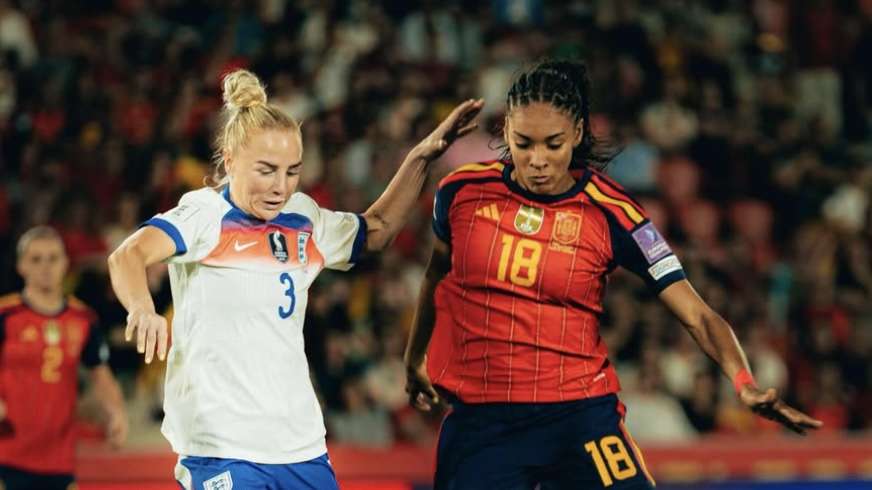
The possibility of a UEFA boycott FIFA has become one of the biggest stories in world football. What started as a disagreement over FIFA President Gianni Infantino’s proposal to bring private investors into FIFA competitions has evolved into a much larger debate about the future of the sport. While the immediate focus is on the 2027 FIFA Women’s World Cup, the controversy reaches far beyond women’s soccer and could affect international football for years to come.
If UEFA follows through with its threat, some of the world’s top soccer players could miss FIFA tournaments, including powerhouse nations like Spain, England, France and Germany.
Why UEFA Is Taking a Stand
The dispute began after FIFA introduced a proposal to create FIFA Forward Enterprises, a commercial company that would oversee the rights to FIFA competitions while allowing private investment firms to purchase minority ownership stakes.
UEFA strongly opposed the idea, arguing that international tournaments should remain part of football’s legacy rather than become investment opportunities. Although FIFA has since backed away from the proposal, UEFA believes the damage has already been done and is seeking guarantees that similar plans will never be considered again.
UEFA has made it clear that a UEFA boycott FIFA remains a possibility until those concerns are addressed.
This Is Bigger Than Women’s Soccer
The potential boycott has centered on women’s tournaments because they are the next FIFA competitions on the international calendar. However, this issue is about much more than women’s soccer.
At its core, the disagreement is about who should control the future of football. UEFA believes decisions involving the sport’s biggest tournaments should remain in the hands of football’s governing bodies instead of outside investors. FIFA, meanwhile, has argued that new investment could help grow the game around the world.
The outcome could influence how future men’s and women’s World Cups are managed, making this one of the most significant governance debates football has seen in years.
Major FIFA Events Could Be Affected
If UEFA carries out its boycott, several major tournaments could be impacted. That includes the FIFA Under-20 Women’s World Cup in Poland, the FIFA Under-17 Women’s World Cup in Morocco and, most notably, the 2027 FIFA Women’s World Cup in Brazil.
Europe is expected to have 11 of the tournament’s 32 participating teams. Losing nations such as Spain, England, France and Germany would dramatically change the competition while disappointing fans who closely follow girls soccer and the global women’s game.
The effects would stretch beyond the field. Broadcasters, sponsors and tournament organizers would all feel the impact if Europe’s biggest teams stayed home.
Players Are Joining the Conversation
The debate has now reached the players themselves.
England defender Lucy Bronze publicly supported UEFA’s position, saying protecting the future of football is more important than playing in a single tournament. She stressed that the decisions being made today will affect future generations of players.
As more soccer players begin speaking out, the pressure on FIFA continues to grow. The discussion could eventually include players from around the world, including members of the USWNT, if the standoff continues.
What’s Next?
For now, UEFA has not officially withdrawn from any tournaments, leaving time for both sides to reach an agreement. Still, the organization’s latest statements suggest it is prepared to act if FIFA cannot restore trust between the two governing bodies.
Regardless of how the situation unfolds, the UEFA boycott FIFA debate has become about much more than one business proposal. It has turned into a conversation about leadership, transparency and who should shape the future of football. While the Women’s World Cup is currently at the center of the discussion, the outcome could have lasting effects on women’s soccer, the men’s game and the sport as a whole.
Featured image via @salmaparalluelo