
 By OkayGoal
Project ACL is expanding beyond the WSL, with the NWSL joining Fifpro in a new three-year research initiative focused on reducing ACL injuries in women’s professional football. According to The Guardian, the new phase will study players across both leagues and begin NWSL data collection in June.
That matters because the ACL crisis in women’s football has never been just about bad luck or individual bodies. It is also about fixtures, surfaces, travel, equipment, gym access, recovery time and whether the sport is finally prepared to treat player welfare as infrastructure rather than aftermath.
Project ACL is now a cross-league study of how working conditions shape injury risk in the WSL and NWSL
According to The Guardian, the new scheme is called Project ACL x NWSL and extends the work first launched in 2024 by the WSL, Fifpro, the PFA, Nike and Leeds Beckett University. That original version already surveyed all 12 WSL clubs and included interviews with more than 30 players about injury prevention, resources and the realities of elite-level workload.
The NWSL phase adds another 16 clubs and, crucially, another competitive environment with different stress points. Medical teams will be questioned, players will be interviewed, and workload, travel and recovery patterns will be tracked through Fifpro’s monitoring tools, with anonymised findings shared internally during the three-year project.
The real point is that this is not being framed as a narrow biomechanics study. It is looking at biological risk factors, yes, but also the conditions players train and compete in every day: pitch standards, schedule congestion, strength provision, footwear design and the cumulative effect of long seasons and long journeys.
That distinction matters for the WSL specifically because the league has already been part of the first wave of evidence-gathering. This next phase is less about establishing that there is a problem and more about comparing environments, pressure points and institutional habits across two of the biggest leagues in the women’s game.
The scale of the ACL problem is exactly why women’s football can no longer treat these injuries as isolated cases
ACL injuries are estimated to be between two and six times more likely in women than in men, while roughly 70% happen in non-contact situations. Less than 10% of sports science research is centred on women, according to the reporting around Project ACL, and much of that work has focused on amateur athletes rather than professionals.
That gap has been glaring for years. The run of high-profile absences before the 2023 World Cup, including Leah Williamson, Beth Mead, Vivianne Miedema and Catarina Macario, pushed the issue into the open, but the underlying pattern never depended on star names to be real.
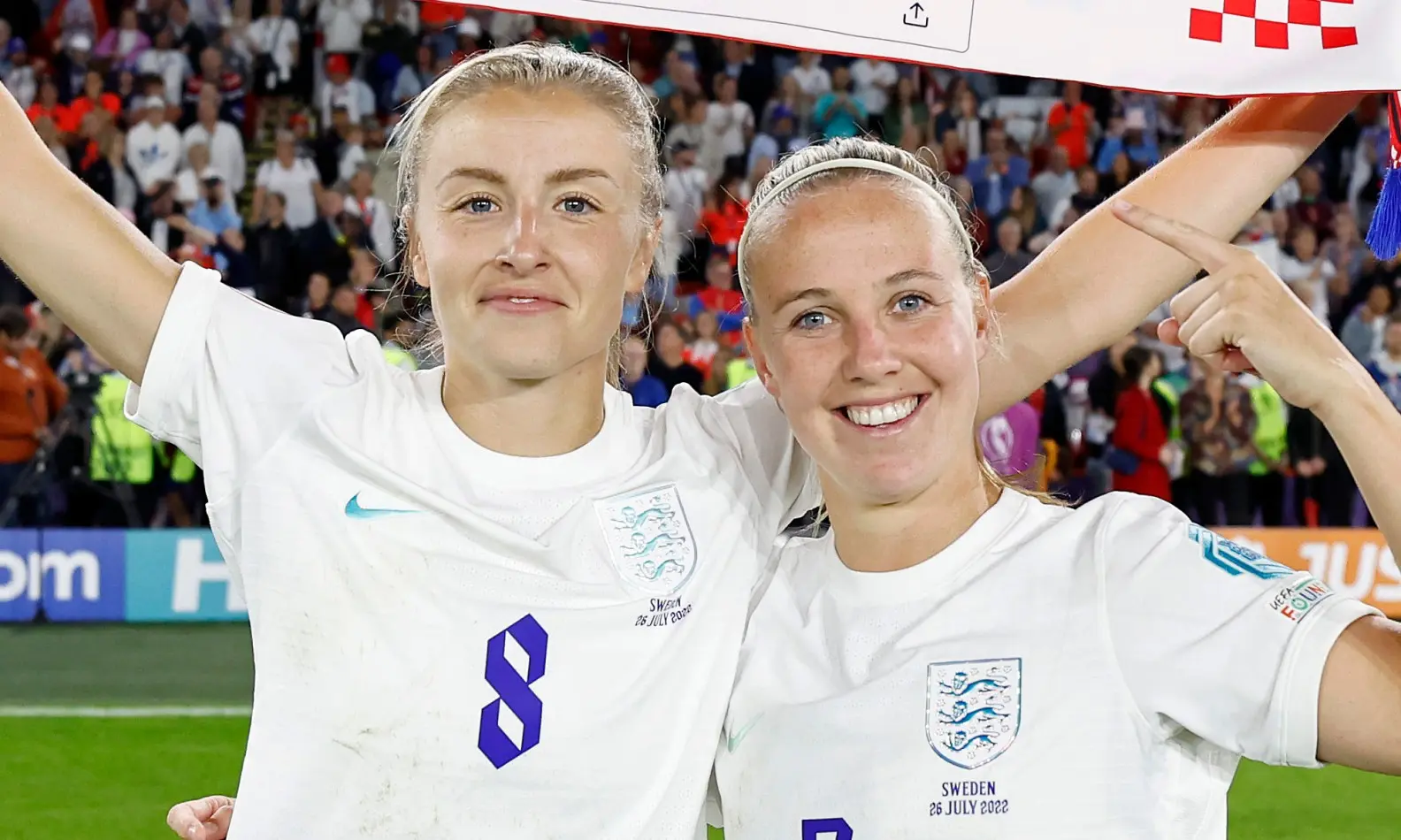
It is still there across the game now. Recent cases such as Kosovare Asllani’s injury blow and Nicole Kozlova’s ACL injury at Glasgow City are not separate stories in emotional isolation; they are more evidence of a recurring structural problem that keeps cutting through squads, seasons and career arcs.
Fine in principle, there is useful existing evidence around anatomy, landing mechanics, quad-to-hamstring strength imbalance and possibly hormonal factors. But that has too often become a way of making the problem sound inevitable, as if the sport’s job begins only after the knee goes.
That is not enough. If players are training on suboptimal surfaces, lifting in under-resourced environments, wearing boots designed around male feet, or moving through congested schedules without enough recovery, then biology is only one part of the story and not the part institutions can hide behind.
Sam Kerr’s nearly 20-month return timeline after her January 2024 ACL tear was a reminder of how much these injuries still take, even when players do come back. Lena Oberdorf suffering another ACL tear just eight matches into her return was a reminder of something else: recovery is not a tidy narrative, and recurrence risk does not care for the sport’s promotional calendar.
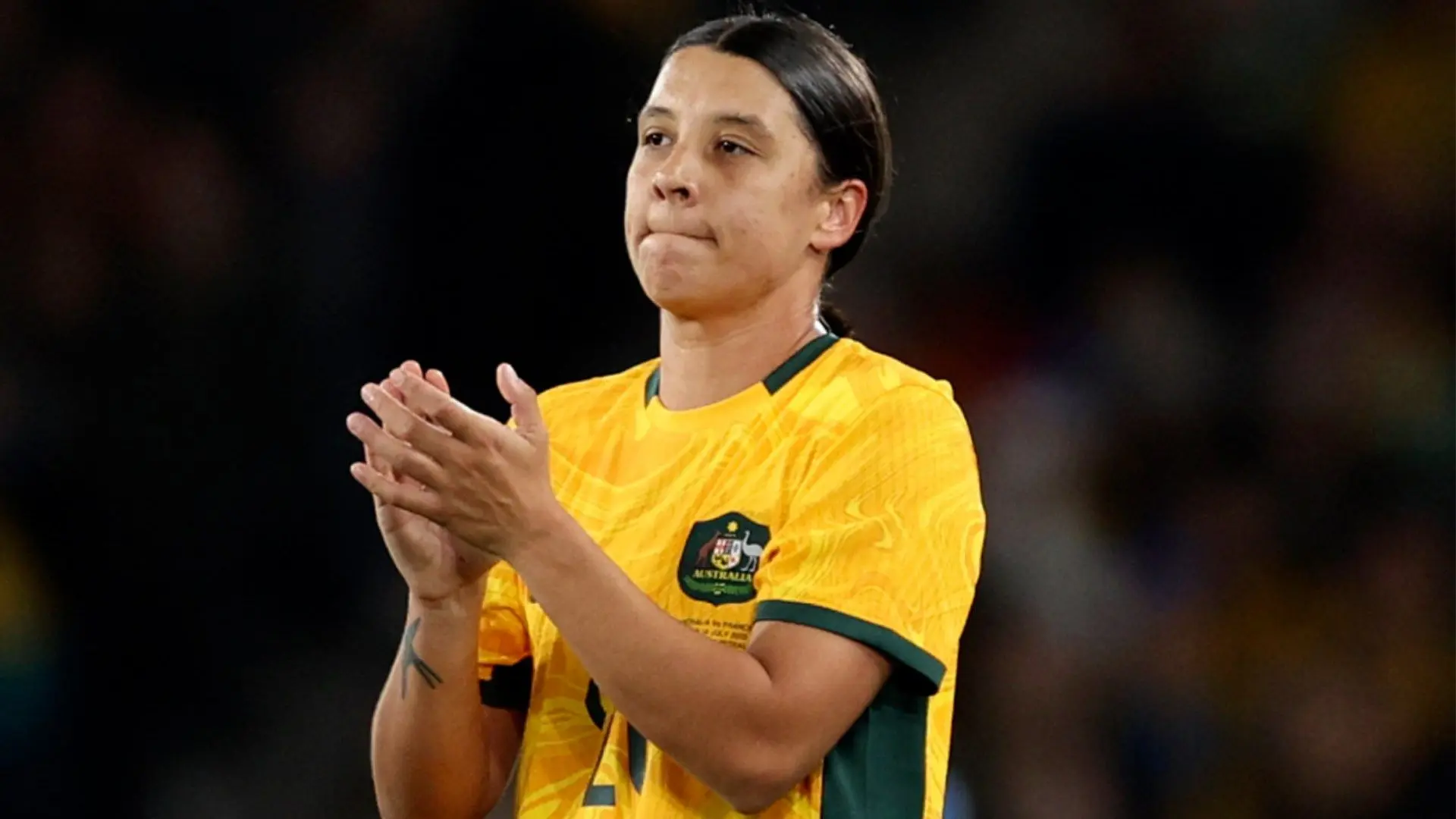
What the cross-league design changes is the ability to compare systems rather than just catalogue damage
Fifpro is describing Project ACL as the first initiative of its kind to cover multiple professional leagues, and that is the real analytical shift. Single-league studies can show patterns, but cross-league work can start to isolate what changes when the calendar, travel burden, training culture, medical provision and commercial pressures change too.
The NWSL brings obvious variables the WSL cannot replicate, especially cross-country travel and the physical load that comes with it. The WSL, meanwhile, sits inside a different calendar debate, one She Kicks has already flagged in its reporting on the WSL international break calendar, where scheduling gaps and pile-ups can distort rhythm, recovery and preparation in ways that are easy to normalise until players keep breaking down.
Fine in principle, multi-league work also raises familiar questions about standardising data and getting honest institutional access. But that is exactly why player-union involvement matters here. If the evidence is genuinely player-centric rather than club-led image management, it has a better chance of exposing where the cost of “growth” is actually being carried.
That is the real question beneath the methodology. Not simply what an ACL looks like on a scan, but what kind of professional environment keeps producing the same patterns and then acting surprised by them.
Project ACL fits the wider pattern of women’s football reacting to welfare failures only after they become impossible to ignore
That fits a wider pattern She Kicks has been tracking across the game. Whether the issue is calendar design, investment gaps or squad support, the response too often comes only once the visible damage is already there and the language of concern is no longer avoidable.
That is why this project lands as both necessary and overdue. Women’s football has spent years expanding faster than its welfare systems, and ACL injuries have become one of the clearest places where the mismatch shows up: elite demands, uneven support and too little research built around the athletes actually doing the work.
Tori Huster, the NWSLPA’s deputy executive director, said the project is about looking “beyond the individual and examining the conditions players compete and train in every day.” Dr Alex Culvin of Fifpro made the same point more broadly, arguing that players, organisers and stakeholders across the game should benefit from the outputs.
That is all fair enough. But the sport has had no shortage of good language around player welfare. The real issue is whether this evidence ends up changing standards, regulations and spending priorities rather than simply producing another report everyone praises before carrying on.
What happens next is that the data starts arriving, and then the excuses start running out
Data collection in the NWSL is due to begin in June, with internal anonymised findings expected to inform real-time adjustments during the three-year project and fuller outputs likely to follow by 2029. For the WSL, that means this is no longer just about awareness; it is about whether one of the world’s richest women’s leagues is prepared to act on what it has helped uncover.
Sarah Gregorius, the NWSL’s vice-president of sporting, said player health and performance are “fundamental” to the future of the league. The same applies in England, and the next pressure point is straightforward: if this research identifies links between injury risk and workload, travel, facilities or scheduling, leagues and clubs will need to decide whether prevention is a real priority or just a line in a statement.
That is not background detail. It is the job.
